
Introduction
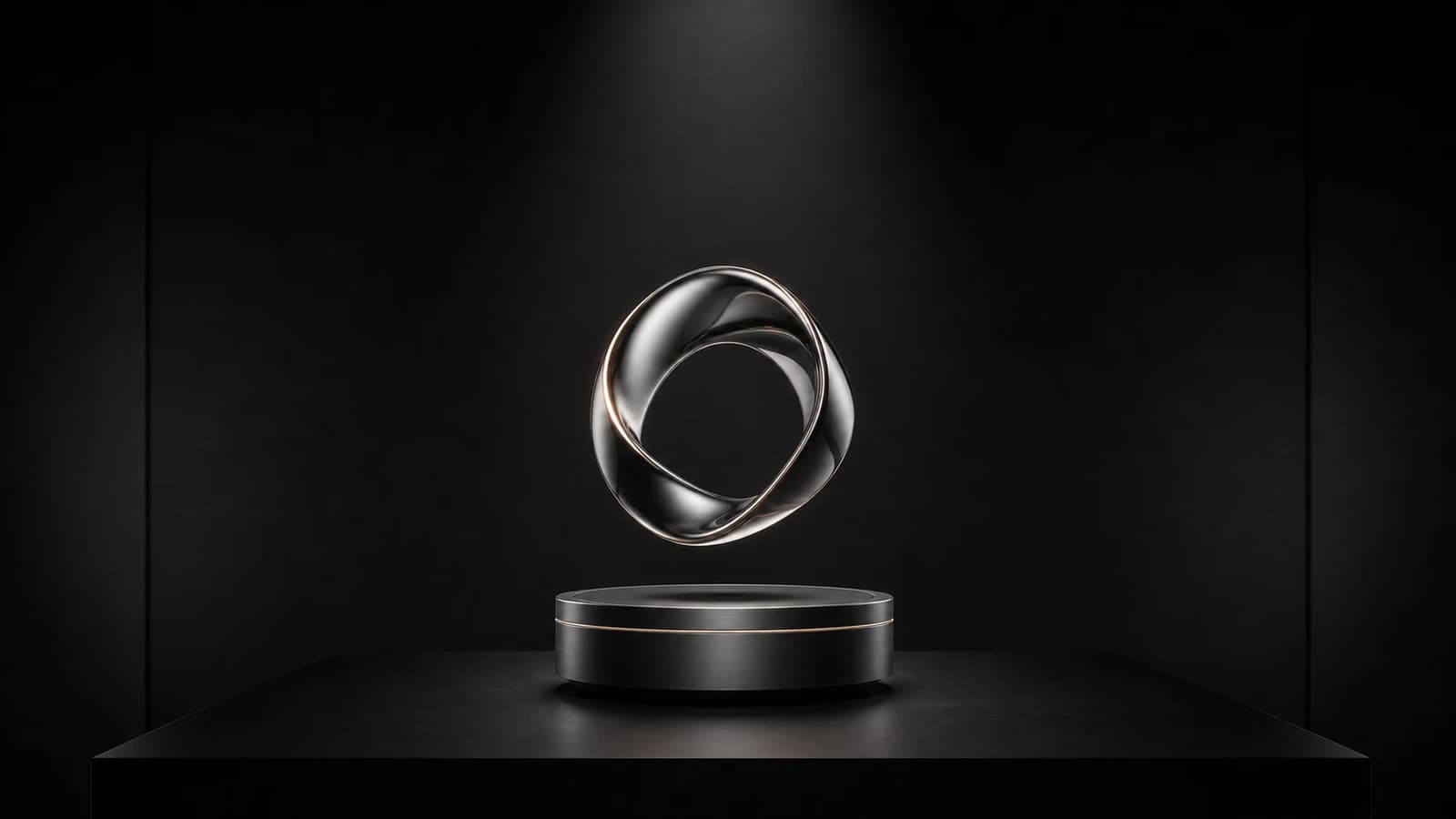
Floating displays for jewelry stores are most relevant when one small object needs stronger focus than the surrounding counter can naturally provide. Jewelry does not win attention through size. It wins through precision, contrast, and the feeling that the object deserves close inspection. A floating display can support that by isolating one item visually and giving it a cleaner field of view.
This article is for boutique retailers, jewelry brands, VM teams, and collector-presentation buyers who are considering a more controlled display moment for rings, pendants, watches, or limited small objects. The question is not whether every piece should float. The question is whether the right piece should.
Why Jewelry Presentation Depends on Focus
Jewelry is easy to lose inside an overdesigned display. Trays, stands, mirrored props, acrylic risers, and graphics can all compete with the object they are supposed to support. Floating presentation works because it reduces visual explanation. The absence of a visible support point makes the item feel more deliberate, which is often exactly what high-value small objects need.
For premium boutiques, that focus has commercial value. A single hero piece can shift the pace of a counter interaction, encourage closer inspection, and create a more memorable visual anchor than a conventional riser. Buyers can compare suitable floating display systems to judge whether the effect belongs on a collector piece, a launch item, or a permanent signature object.
Floating Displays for Rings, Small Objects, and Collector Pieces
Not every jewelry item is equally suitable for levitation. Small pieces need careful consideration of how they will be mounted, oriented, and read from normal viewing angles. In some cases the floating object may be a boxed presentation, sculpture-like setting, or collector capsule rather than the bare jewelry item itself. The commercial goal is still the same: create stronger focus around one premium object.
That is why buyers should define what exactly is supposed to float and how close the viewer will be. For boutique counters, the distance between customer and object is often short, making finish accuracy and motion behavior more visible than in a large retail window.
Lighting, Reflection, and Viewing Distance
Jewelry presentation is unusually sensitive to light. Reflections that look elegant on one metal or stone finish can become distracting on another. A floating display should therefore be evaluated with the intended lighting mood in mind. Soft spotlighting, matte shell materials, and controlled edge highlights usually produce more refined results than surfaces that compete for attention.
Viewing distance matters too. A piece displayed from one meter away behaves differently from one seen across a large boutique entrance. The closer the customer is, the more carefully sound, stability, and finish quality need to be judged in the sample review.
Boutique Counter Applications
In boutique counters, floating presentation can support a signature ring, a high-margin collector piece, a commemorative edition, or a seasonal campaign object. It can also help the staff tell a more controlled story by separating one piece from the broader assortment. This is particularly valuable when the store wants a high-touch consultation atmosphere rather than a dense display field.
For teams exploring this direction, it helps to compare display goals against OEM magnetic levitation development needs early. Some projects may only need a refined standard platform, while others need more custom work to match materials, proportions, or packaging. The article on Why Luxury Retail Stores Use Floating Product Displays is also useful when internal stakeholders need a clearer explanation of why the display itself can raise perceived value.
Custom Base and Finish Options
Custom base work for jewelry applications is often about subtlety. The most successful outcomes usually do not look overengineered. They look calm, proportionate, and precise. Buyers should think about height, footprint, gloss level, metal tone, packaging, and whether the brand wants the base to disappear or act as a designed pedestal.
That decision also affects budget and timeline. A low-visibility base may still require careful custom work if the store's finish language is specific. Buyers comparing options should use the RFQ process once the project brief includes object dimensions, environment, and finish expectations.
RFQ Considerations
The strongest RFQs clarify what is floating, the target viewing distance, whether the item will rotate, how premium the packaging needs to be, and whether the project is for one boutique moment or a broader rollout.
Jewelry buyers should also explain how much staff interaction the display will have. A collector-focused showcase piece and a frequently handled counter presentation do not have the same tolerance for reset routines, setup time, or packaging complexity. That operational context makes sample feedback much more useful.
It is also worth stating whether the display needs to support sales conversation, photography, or long-duration static presentation. Those three use cases may look similar in a mood board, but they create different priorities during sample review and final approval.
Jewelry display checklist
- Define whether the floating object is the jewelry piece itself or a presentation format around it.
- Clarify lighting conditions and expected viewing distance.
- Specify material and finish direction for the visible base.
- State whether the project is a collector moment, campaign piece, or permanent boutique display.
- Use the RFQ flow once the brief is specific enough for sample planning.
FAQ
Are floating displays practical for very small jewelry items?
They can be, but the mounting logic and viewing distance have to be considered carefully. In some projects, a presentation object around the jewelry item is more effective than floating the bare piece directly.
Why does reflection control matter so much for jewelry?
Because metal and stone surfaces respond strongly to lighting and nearby finishes. Poor reflection control can make the object look busier rather than more premium.
Does a jewelry display project usually need custom development?
Not always. Some projects can begin from existing floating display systems, while others need deeper refinement through OEM magnetic levitation development to match boutique finish standards.
What is the best way to start a jewelry boutique inquiry?
Review relevant floating display systems, define the object and use case clearly, and submit an RFQ when the project is ready for sample evaluation.