
Introduction
For years, product innovation was often displayed through accumulation. More features, more visible mechanics, more moving parts, more evidence that technology was present. That approach still works in some categories, but it is increasingly out of step with how people read premium objects. The most compelling products today often feel quieter. They remove distraction, hide complexity, and let the user experience the result rather than the machinery behind it.
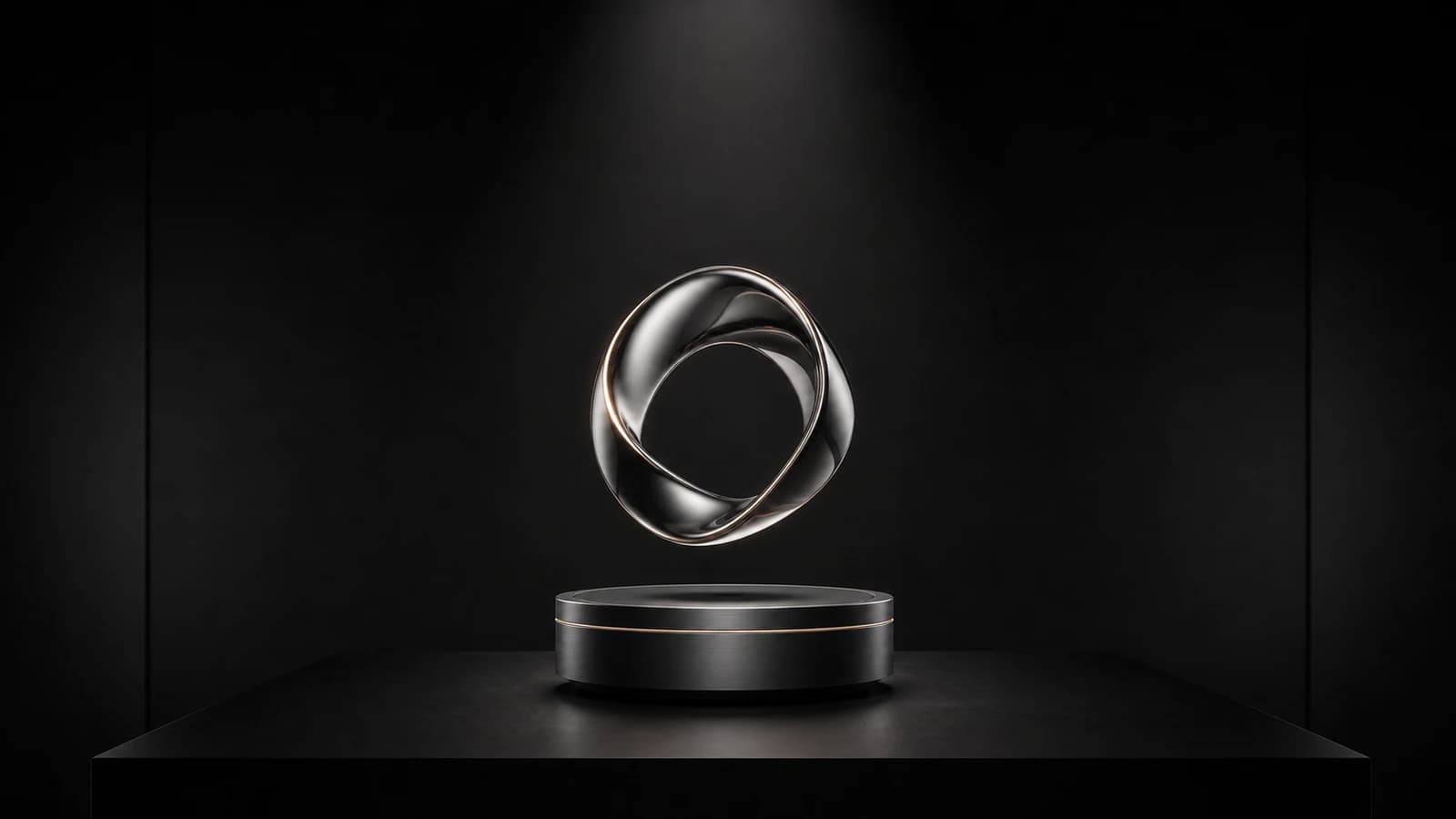
This philosophy is especially relevant to magnetic levitation. Levitation can be dramatic, but its highest form is not spectacle for its own sake. It is the creation of a cleaner emotional encounter between object, space, and observer.
Products As Experiences
People rarely form lasting attachment to objects only because of specification. They remember how an object entered their attention and how it made them feel. Was it calm? Precise? Unexpected? Elevated? Design teams that understand this stop treating products as isolated physical units and start treating them as orchestrated experiences.
Experience begins before interaction
The experience of a product often starts at first sight, before touch or use. Presentation, proportion, and spatial context are part of the product story. Levitation is powerful because it reshapes that first moment. The object is encountered not as something resting in ordinary space, but as something suspended in a carefully edited visual field.
Emotional Design
Emotional design is sometimes misunderstood as decoration or sentimentality. In practice, it is about shaping perception deliberately. A product that feels calm, rare, or futuristic produces a different emotional response than one that feels crowded or overexplained. Emotional design works by removing friction between intention and perception.
Precision can be emotional
There is nothing cold about technical precision when it is expressed elegantly. In fact, precision often generates trust and desire. A stable floating object, a silent rotation, or a finely controlled light reflection can create a strong emotional response precisely because the user senses invisible care behind the experience.
The Role Of Space
Space is not background. It is one of the most important materials in premium product presentation. Empty space allows form to breathe, creates hierarchy, and helps the eye understand what matters. In many design contexts, the problem is not that the object is weak. It is that the object is never given enough room to speak.
Levitation turns space into structure
When an object floats, the surrounding air becomes part of the composition. The object no longer ends at its surface; it extends into the space around it. This is why levitation can feel so refined when used well. It makes absence do visual work.
Technology As Background
AMO's design philosophy is not about showing as much technology as possible. It is about making technology disappear into the experience. The most elegant systems let the user feel the result while forgetting the mechanism. That does not mean engineering is less important. It means engineering has succeeded.
Invisible technology raises the design standard
When the mechanism is hidden, the remaining experience has to be strong enough to justify itself. Materials, proportions, motion quality, and finish become more important, not less. Invisible technology therefore pushes design teams toward higher discipline. Nothing can hide behind feature overload.
Future Objects
The future object is likely to be more edited, more atmospheric, and more integrated with its context than many of today's products. Instead of competing for attention through volume, it will create attention through specificity. Instead of displaying complexity openly, it will organize complexity beneath the surface.
The future object feels lighter
This lightness is not only physical. It is perceptual. It comes from reduced clutter, cleaner interaction, and more deliberate framing. Levitation is one expression of this direction because it literally changes the weight relationship between object and space.
The AMO Philosophy
At AMO, the interest in magnetic levitation is not driven only by technical possibility. It is driven by what levitation allows us to say about objects. A floating object suggests focus, intention, curiosity, and confidence. It shows that the presentation system has been designed to remove distraction rather than add it.
Less object does not mean less impact
It means less unnecessary support, less visual interruption, and less explanation standing between the viewer and the experience. More experience comes from that subtraction. The product feels clearer because the environment around it has been edited with discipline.
Conclusion
Less Object. More Experience. is a design philosophy grounded in restraint. It argues that the strongest premium products are not the ones that show the most technology, but the ones that create the cleanest, most emotionally legible encounter. Magnetic levitation fits this philosophy because it uses advanced engineering to simplify perception. In the end, that is the real luxury: complexity working hard so the experience can feel effortless.
Restraint As A Commercial Strategy
Restraint is not only an aesthetic preference. It is also a commercial strategy. In crowded categories, the product that feels most edited often appears most confident. Brands that remove noise create stronger hierarchy, better memory, and cleaner differentiation. This is why premium design increasingly favors fewer visual claims delivered with more precision. The object does not need to shout if the experience around it is deliberate.
Simplicity can increase perceived value
Consumers and business buyers alike often read simplicity as evidence of control. A product that appears unresolved or overfilled with signals can feel less trustworthy. By contrast, an object framed with calm and exactness feels more complete. Levitation intensifies this effect because it reduces visible support and makes the core form feel even more self-sufficient.
Designing For Memory Rather Than Features
Feature lists are useful, but memory is what keeps an object alive after the first encounter. Design teams that work for memory ask different questions. What will the viewer remember one hour later? What image will stay attached to the brand? Which moment carries the emotional weight of the experience? These questions tend to produce better presentation systems because they focus on perception rather than quantity.
Memory is often built through one clear scene
People usually do not remember every detail of a product launch or display. They remember one distilled scene: the object, the light, the atmosphere, and the feeling it created. Levitation is effective because it helps build that kind of distilled scene with unusual clarity.
The Business Case For Invisible Complexity
Making technology disappear is difficult work, but it often creates stronger business outcomes because it makes the experience more premium and easier to trust. Invisible complexity reduces friction. It allows the user or viewer to focus on the outcome rather than the mechanism. In commercial settings, that often leads to better storytelling and stronger differentiation because the brand appears more resolved.
Sophistication should feel effortless
The highest form of technical expression is not complication that demands applause. It is complexity that feels natural once encountered. That principle sits at the center of AMO's philosophy and explains why levitation is most powerful when it feels quiet, exact, and inevitable.
Experience Design Needs Operational Discipline
Design philosophy only matters commercially if it can survive production, installation, and use. An experience-led object still needs stable engineering, durable materials, clean packaging, and repeatable presentation standards. In that sense, restraint is demanding. Once the design has removed noise and visible excuses, the remaining details have to work flawlessly.
Discipline is what makes minimalism convincing
This is why experience-first design cannot be separated from process quality. If motion is inconsistent, if the surface finish is weak, or if the setup feels clumsy, the illusion of simplicity breaks. But when the technical system is disciplined, the object gains a rare quality: it feels emotionally clear without explaining itself.
Designing For Longevity
Another benefit of experience-driven design is longevity. Objects and displays based on restraint tend to age better because they are less dependent on trend-heavy visual devices. Levitation used with precision can therefore create not only immediate impact, but also a more durable premium language for the brand over time.
Restraint Requires Confidence
Choosing less visible complexity and more experiential clarity is ultimately a statement of confidence. It says the object, the space, and the invisible engineering are strong enough to carry meaning without added noise. That confidence is part of what makes the final experience feel premium.
Confidence is visible in what a brand removes
The decision to remove clutter, extra explanation, and decorative compensation is rarely accidental. It reflects belief in the strength of the underlying experience, and that belief is often what the audience reads as refinement, maturity, design seriousness, long-term confidence, calm authority, intention, and depth. In practice, this is what separates minimalism from emptiness and gives reduced forms real emotional substance that people can remember, return to, describe later, and keep valuing over time in different contexts for years.
Call To Action
Looking for a custom magnetic levitation project?
Contact AMO for OEM & ODM support.