
Introduction
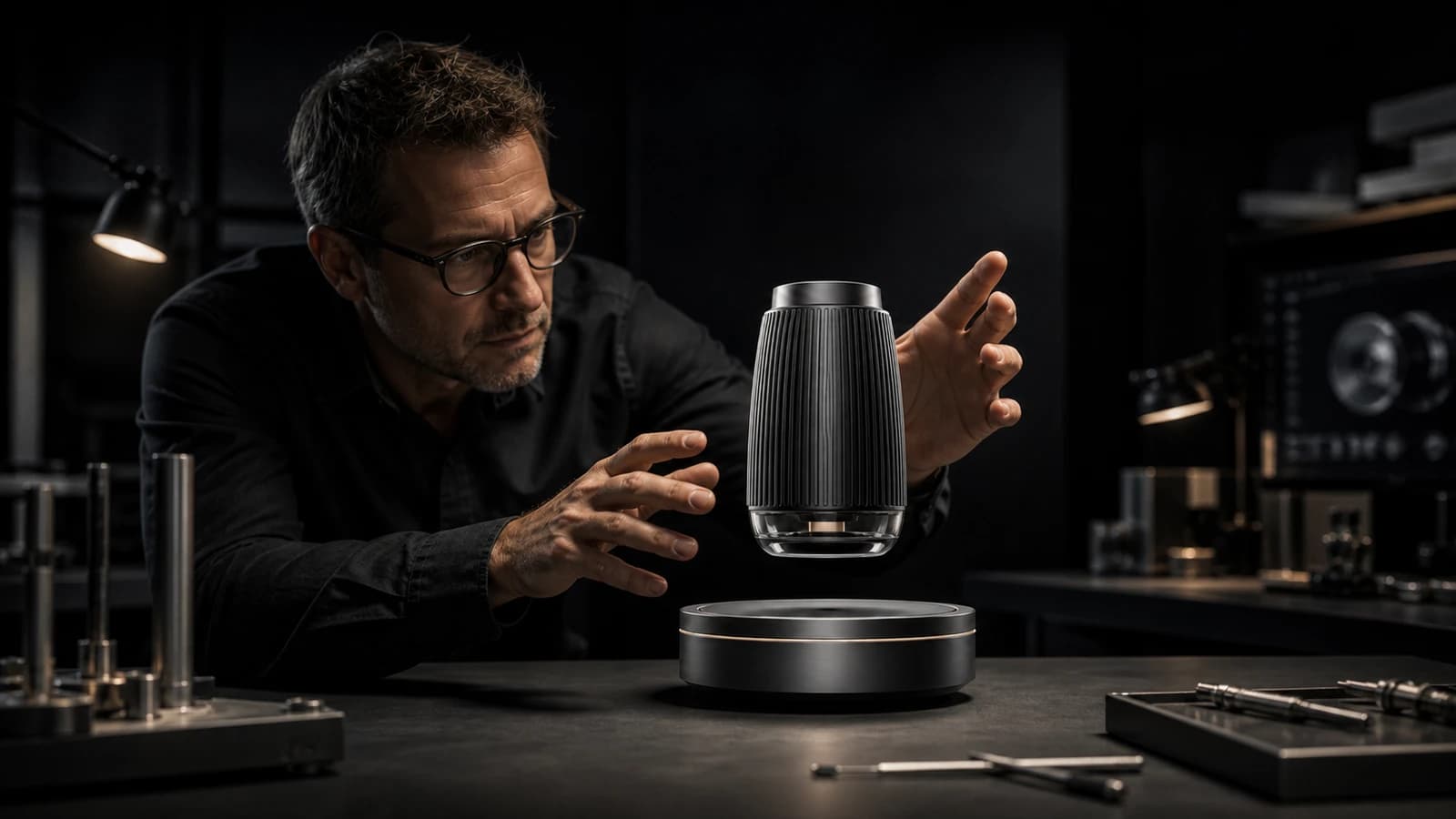
A custom magnetic levitation display is a project in which the floating effect, visible base, object relationship, and commercial presentation are adjusted for a specific brand, product, or environment. That may sound obvious, but many RFQs still fail because the buyer asks for a custom result without defining the conditions that make customization meaningful. The supplier then estimates against assumptions, and the project starts with avoidable ambiguity.
This article is for buyers who already know they are beyond a standard unit. If your brief involves object-specific balance, branded finishing, premium packaging, or a custom display shell, you are not buying a commodity. You are starting a development process, and the quality of the RFQ will shape both cost and timeline.
What Makes a Magnetic Levitation Display Custom?
A magnetic levitation display becomes custom when the project asks for changes that affect appearance, integration, or performance. That can include custom dimensions, new materials, surface finishes, lighting details, object-specific hovering behavior, unique brand codes, packaging changes, or a custom top object that interacts with the base in a defined way.
Customization is therefore not only about color or logo. In many B2B programs, it is about translating a brand brief into a working display system that looks deliberate and performs consistently. Buyers comparing AMO magnetic levitation products should use standard references only as a starting point, then define what must change for the actual project.
Questions to Ask Before Sending an RFQ
The most useful pre-RFQ question is simple: what exactly has to be customized, and why? If the answer is only “make it premium,” the supplier still lacks the engineering and commercial information needed to quote intelligently. Buyers should define the application, object size, intended environment, visible finish language, quantity expectation, timeline, and who approves the sample.
This is also the point where decision ownership matters. A sourcing manager may be evaluating price and lead time, while a brand team may care more about finish, lighting, and perceived value. A strong RFQ aligns both. The earlier that alignment happens, the more efficiently custom magnetic levitation development can move into sample planning instead of repeated clarification.
Load Capacity, Object Size, and Stability
In levitation projects, weight alone is not enough. The object's size, mass distribution, and center of gravity affect whether the display will feel calm, stable, and premium in real use. Two objects can weigh the same and still behave differently because one is top-heavy, asymmetric, or visually more sensitive to wobble.
That is why buyers should provide dimensions, approximate weight, object photos, and any non-negotiable orientation requirements before asking for firm assumptions. If the display is meant to rotate, the RFQ should also say whether the priority is slow elegance, multi-angle visibility, or theatrical motion. Without that context, even a technically functional sample may miss the visual target.
Finish, Material, and Brand Customization
For premium commercial presentation, the visible finish is part of the product story. Surface texture, gloss level, edge definition, metal tone, and packaging experience all shape whether the final display feels architectural or merely electronic. Buyers should be clear about what the base should communicate: quiet luxury, technical precision, boutique softness, or event-driven visual drama.
Brand customization should also extend beyond cosmetics if needed. Some projects need custom boxes, premium inserts, branded setup instructions, or a unique object fixture. Those details are easier to control when they are documented early through the start an RFQ process instead of added late as “small” revisions that force another sample cycle.
Sampling and Prototype Validation
Prototype review is where a custom display project becomes real. It should answer whether the levitation looks stable, whether the object reads correctly in space, whether the finish matches expectations, and whether setup feels practical for the intended user. Buyers should review the sample under conditions close to the final environment whenever possible, especially for lighting-sensitive retail or hospitality projects.
RFQ checklist before prototype approval
- Confirm the final object size, weight, and expected orientation.
- State whether rotation is required and what motion character is expected.
- Define finish references, material targets, and packaging needs.
- Clarify whether the sample is for appearance review, engineering validation, or both.
- Document who approves revisions and how schedule impact is handled.
- Include the required commercial page, conversion path, and related-article context for internal stakeholders if the project will be reviewed across teams.
How AMO Supports Custom Display Projects
AMO supports custom display work by treating the project as a presentation system rather than a single floating trick. That means the conversation can include object behavior, premium finish expectations, packaging, and how the final display will be deployed in retail, hospitality, gifting, or exhibition settings. Buyers who need a supplier that can bridge display aesthetics with OEM discipline usually benefit from starting with AMO's custom magnetic levitation development path and then narrowing the brief through the start an RFQ flow.
For teams still shaping the brief, it can also help to review the older article on how to choose a magnetic levitation manufacturer before committing to a supplier checklist or quotation round.
FAQ
What information should be included in a custom magnetic levitation display RFQ?
At minimum, include object size, approximate weight, use environment, quantity target, finish direction, packaging expectation, and timeline. That gives the supplier enough context to judge whether the request belongs in a standard product path or a deeper custom magnetic levitation development process.
Can a supplier quote accurately without the final object?
A preliminary quote may be possible, but stability and tuning assumptions become more reliable when the object or a close engineering proxy is available. Object geometry matters almost as much as mass in levitation work.
Why do custom display samples sometimes take longer than buyers expect?
Because the sample is validating both engineering and visible presentation. If finish, balance, motion, and packaging are all changing together, the supplier is solving more than one problem at once.
When should the buyer move from email discussion to formal RFQ?
The handoff should happen once the commercial intent is real and the brief is specific enough for sample, MOQ, and lead-time discussions. At that point, the RFQ page creates a cleaner project record than scattered email notes.