
Introduction
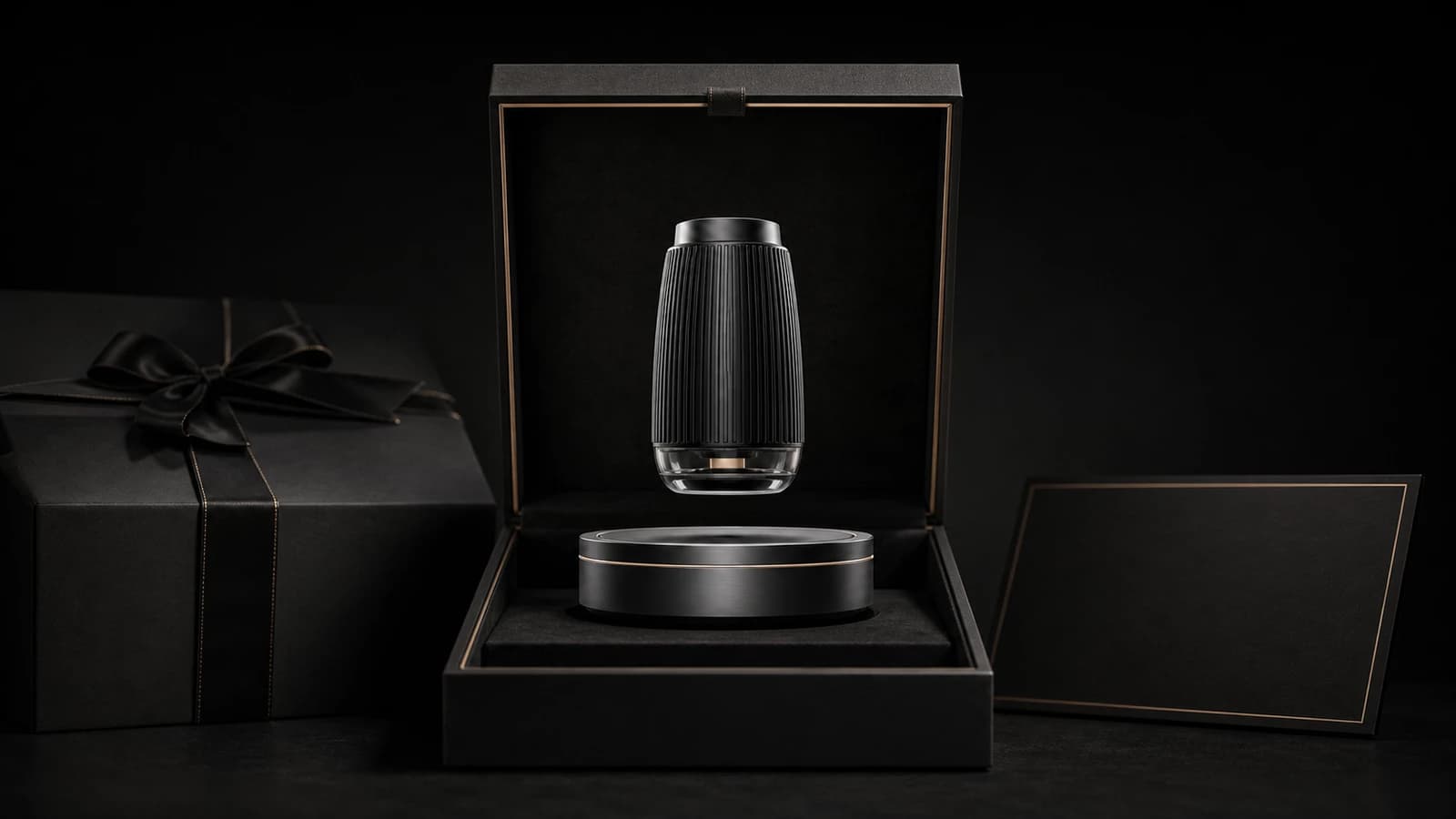
If you are sourcing magnetic levitation corporate gifts, the strongest programs pair the object, packaging, and brand story as one premium system rather than treating the item as novelty merchandise. For executive gifting, commemorative programs, and premium client kits, buyers usually start by comparing reference options in the product collection to judge what level of customization is realistic.
The next commercial question is how much customization is needed and whether the planned volume justifies OEM development. When branding, packaging, or form factor move beyond stock options, the project becomes an OEM & ODM conversation, and a detailed RFQ helps align quantity, approvals, and delivery timing before development begins.
Memorable corporate gifts usually share three qualities. They feel intentionally chosen, they present well, and they attach the brand to an experience instead of a generic object. Floating gift concepts are interesting in this context because they transform the act of presentation itself.
Why Most Gifts Fail
The majority of corporate gifts fail because they are interchangeable. Mugs, notebooks, and ordinary desk items can be practical, but practicality alone rarely produces recall. If the object could have come from any company, then the memory it leaves behind is weak. The recipient may use it, but that is different from remembering it.
Utility is not the same as significance
This distinction matters for B2B brands. A gift program aimed at strategic clients, distributors, or senior stakeholders should be judged by relationship impact, not just item cost. The best gifts create a feeling of consideration. They do not need to be extravagant, but they do need to feel specific and premium.
Memorability
Memorability grows when the gift generates a moment worth retelling. That moment might come from unusual presentation, strong craftsmanship, or a conceptual fit between object and brand. A floating object naturally creates such a moment because it surprises the recipient before the product is even fully understood. The gift becomes an experience on the desk or in the meeting room rather than another item removed from its box and forgotten.
Remembered gifts extend brand life
When a recipient remembers the gift, the brand stays active in memory longer. That has obvious value for relationship-driven sales and reputation building. Memorable gifts are also more likely to be shown to colleagues, photographed, or discussed, which quietly extends the program's reach.
Premium Positioning
Corporate gifting is often one of the few moments when a brand can place a physical object directly into a stakeholder's personal workspace. That makes it a strong positioning opportunity. A poorly considered gift can weaken a premium brand image, while a refined gift can reinforce it. Floating display gifts support premium positioning because they combine engineering interest with visual elegance.
The object should match the audience
Executive gifting works best when the item feels proportionate to the relationship. A floating collectible, commemorative object, or branded design piece can signal seriousness and originality in a way that generic merchandise usually cannot. The goal is not excess. The goal is distinctiveness with control.
Floating Gift Concepts
Magnetic levitation opens new territory for gifting because it turns an object into a display event. A commemorative model, symbolic shape, award piece, or collectible branded sculpture can hover above its base and continue engaging the recipient after unboxing. This is useful for milestone gifting, leadership gifts, strategic partnership programs, and campaign-limited releases.
Presentation becomes part of the gift value
In many gifting programs, the box is discarded and the object begins its life as a static item. With levitation, the presentation is ongoing. The recipient does not only remember receiving the object. They continue experiencing it as a small spatial event, which increases both novelty and permanence.
Executive Gifts
Senior recipients are difficult to impress because they have already seen volume gifting done badly. Executive gifts need stronger judgment. They should feel considered, materially refined, and aligned with the recipient's environment. Levitation-based gifts meet this need when the object design is disciplined and the base quality is high. The result feels more like a design object than a piece of merchandise.
Restraint matters more than branding size
For executive audiences, subtle branding is usually stronger than aggressive logo placement. A floating object with precise material treatment and controlled packaging can carry the brand more credibly than a louder item with more visible graphics. The underlying message becomes one of confidence rather than self-promotion.
Brand Loyalty
Gifting does not create loyalty on its own, but it can strengthen the emotional texture of a commercial relationship. A memorable object received at the right time can reinforce appreciation, partnership, and long-term intent. That is especially true in B2B environments where differentiation often depends on many small relationship signals accumulated over time.
Better gifts create better follow-up moments
When the recipient actually keeps and notices the gift, future conversations gain a subtle advantage. The brand is no longer starting from zero each time. It already occupies a visible place in the recipient's memory and, in some cases, their physical environment. That is far more valuable than a high-volume item that disappears after one week.
Conclusion
Corporate gifts that people actually remember are rarely the ones optimized only for cost-per-unit. They are the ones that create meaning, presentation, and a sense of care. Magnetic levitation is relevant here because it helps transform gifting from object delivery into experience design. For B2B brands that want stronger recall, better executive relevance, and more durable premium positioning, that is a meaningful advantage.
When To Use Levitation In Gifting
Levitation is not appropriate for every gifting tier, but it is especially strong when the objective is symbolic impact rather than mass distribution. Leadership recognition, strategic client milestones, partnership anniversaries, investor or executive gifts, and limited-edition brand moments are all situations where the display value of the object matters as much as the object itself. In those cases, levitation creates a stronger sense of occasion.
The gift should match the relationship moment
A thoughtful levitation concept works best when the object has a story that ties to the recipient or to the purpose of the gift. That might be a commemorative form, a design piece linked to the brand's field, or a collectible developed for a specific program. The more intentional the narrative, the stronger the memory it leaves.
Packaging And Presentation Standards
Packaging plays a major role in whether a premium gift feels credible. The unboxing sequence should be calm, intuitive, and materially aligned with the product. Protective packaging also matters because a gift that arrives damaged or confusing to set up immediately loses emotional value. For levitation gifts, the packaging has to support both premium expectation and technical safety.
Presentation should continue after unboxing
The best gifting objects do not lose energy once removed from the box. Levitation helps extend the reveal because the product continues presenting itself after setup. This continuity is one reason the format performs well in executive and commemorative contexts.
Internal Approval For Premium Gifting
Many B2B gifting programs need internal justification, especially when they target higher-value recipients. A memorable object with strong presentation can be defended more easily when the business case is framed correctly: stronger relationship signaling, higher retention value, better executive relevance, and better long-term brand recall. The point is not luxury for its own sake. It is targeted impact.
Better gifts can be more efficient over time
A smaller number of truly memorable gifts can often do more brand work than a larger volume of generic items. For companies focused on strategic relationships, that usually leads to a better return on gifting effort.
Gifting Programs Benefit From Storytelling
The most successful premium gifting programs usually include a clear story about why the object exists. That story does not need to be complicated, but it should connect the gift to the relationship, the milestone, or the brand's perspective. A floating object makes that storytelling easier because it already feels distinct from ordinary merchandise. The brand can build meaning around innovation, elevation, partnership, or future vision without forcing the message.
Story strengthens recall
Recipients are more likely to remember a gift when they can attach it to a narrative instead of only a material description. They are not just remembering a branded object; they are remembering what it was meant to represent. That difference can significantly improve the long-term value of a gifting program.
Premium Gifting Should Feel Deliberate
The strongest gifts feel curated rather than processed. Levitation supports that impression because it makes the object appear chosen for impact, not merely ordered for quantity. In relationship-driven business, that sense of deliberateness can be highly valuable.
Better Gifts Create Better Conversations
When a gift is memorable, it improves the next conversation too. The recipient is more likely to reference it, display it, or connect it mentally to the brand. That is a small but meaningful advantage in relationship-led business development, especially when the goal is to keep a strategic relationship emotionally active between formal meetings and milestone reviews.
Contact AMO for OEM & ODM support.